





Additional Fees That Are In Every Vehicle Purchase: What You Need to Know About the Added Cost

Keep additional fees in mind
One minute you thought you knew what your car was going to cost. Then there were all these fees added on and you didn’t know what happened to the final price. Don’t let this be you! Know what to expect before you sign the dotted line so there are no surprises. The hidden vehicle purchasing fees that are in every purchase push up the final cost. This is what you need to know about the added cost.
There are four categories of items that will contribute to hidden vehicle purchasing fees. This includes the down payment, fees, taxes, and registration.
Additional costs:
- Down payment
- Fees
- Taxes
- Registration
Down payment
Typically when we think about purchasing a car, we think about what the monthly payment will be; but the down payment can’t be overlooked.
A down payment should be 10% of the purchase price of a used car, and 20% of the purchase price of a new vehicle. Your trade-in or rebate can be counted toward the down payment as well.
The percentage needed for the down payment differs between new and used vehicles because depreciation occurs most rapidly when a car is brand new. The down payment is assurance to the bank that, if you don’t pay, they won’t lose money because the car will retain a higher value than your down payment.
TIP: Just because 10-20% is required, if you can afford it put down a greater down payment do it! You will save on interest and lower your monthly payments.
TIP: On the other hand, if you’re leasing don’t put down a greater “required initial payment” or “cash due at signing” than what is required. One of the advantages of leasing is putting less money down – so take advantage of it!
For new-car leases rebates go to the lender, not the lessee, and do not serve as cash due at signing. So, why pay attention to lease rebates? A rebate for buyers can indicate a favorable lease deal. The rebate lowers the price of the vehicle, and that means savings could very well be passed onto you in the form of lower monthly payments.
If you don’t have 10-20% for a down payment, there are a couple of advisable options: A trade-in or rebate.
If you have an old vehicle you’re trading in, the value of that vehicle will be subtracted from the required down payment. If you’re purchasing a vehicle with a rebate, the amount of the rebate will reduce how much you owe for the down payment.
In sum: Save 10-20% of the vehicle’s cost, trade-in your current vehicle, and/or select a vehicle with a rebate to reduce the down payment.
- Save 10-20% of the vehicle’s cost
- Trade-in your current vehicle
- Select a vehicle with a rebate
Fees
Documentation fees or “doc fees” are a hidden vehicle purchasing fee that involves the cost of doing the paperwork when you make a car purchase. This includes preparing and filing paperwork for the the sales contract and title.
Most dealerships charge between $50 to $500 for documentation fees. The lowest average is $75 in New York; the highest is in Florida at $670.
Some states have a maximum limit a dealer is allowed to charge.
Doc fees are limited by Michigan State law to $190 or 5% of vehicle price, whichever is less. The average doc fee in Michigan is $165.
Note that doc fees are also taxed. Also note that doc fees and sales taxes change frequently; so, make sure you know the latest figures.
Advertising fees are the fee manufacturers require dealers to pay for in regional advertising. This typically runs between $250 to $400.
Taxes
Another hidden vehicle purchasing fee that should be obvious, but is still often overlooked is taxes on the vehicle purchase. Each state adds a tax, as do some counties and cities. While we’re all used to paying sales tax, the only thing more expensive than a car that most of us buy is a house. You might not blink when you buy a TV, but you quickly realize that taxes add up when you buy a car!
Be prepared for this. Many people forget about taxes and feel like they’ve been bait and switched. Keep taxes in mind when you’re figuring out how much you can spend on a car.
While sales tax on a car can vary from a state’s regular sales tax, in Michigan it’s the same. In Michigan, the maximum sales tax you will pay is 6%.
Trade-ins and rebates are also taxed in Michigan. That means that the value that your trade-in knocked off the cost of your new vehicle is taxed and the full amount of the car purchase price is taxed rather than the purchase price minus the rebate.
Registration
The dealer will handle title transfers and car registration. This is nice because it saves you a trip to the Department of Motor Vehicles (DMV), which we all know can be a long wait. It almost makes you want to buy a new car every time you need to get a new license plate! Well, almost!
The vehicle registration fee is what the state charges to register a new car, assign it a title for legal proof of ownership, and provide license plates.
How much will it cost? Put simply, the more expensive the car, the higher the registration fee. Or, if the vehicle is a 1983 model or older, the more the car weighs the higher the car registration cost.
While having the dealer take care of registering your car is no doubt a convenience, it creates a hidden vehicle purchasing fee that you should be aware of.
The average DMV fee in Michigan for a new vehicle is $230.
In conclusion
There are a number of hidden vehicle purchasing fees that create added costs when buying a car and it can be difficult to calculate everything. Allot a little extra money assuming there will be extra costs so when it’s totaled up you are prepared.
Contact us
In the market for a new or “new-to-you” car? We’re transparent in our fees because we believe in giving everyone a fair shake. Stop by Thelen and take a test drive with us today!
Links:
https://www.autotrader.com/car-shopping/whats-right-down-payment-car-loan-or-lease-212702
https://www.edmunds.com/car-buying/what-fees-should-you-pay.html
https://www.autocheatsheet.com/new-car/what-new-car-dealer-fees-should-you-pay.html
https://www.dmv.org/buy-sell/new-cars/new-car-taxes-fees.php
https://www.michigan.gov/sos/0,4670,7-127-1585-75432–,00.html
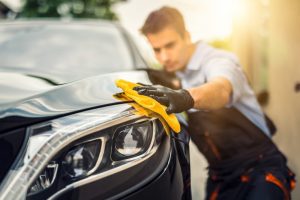
Lookin’ good!
With a hectic life, how is one to master keeping your car interior looking nice? There are 4 things you need to know that will have you opening your auto doors to a spic and span interior.
Let’s face it. A messy car is almost as embarrassing as a messy basement. While only your closest friends and family typically see your basement when it’s in disrepair, sometimes you’ll offer a friend or acquaintance to carpool and then remember: “My car is a mess!” You apologize as you clear off the passenger seat and throw items in the back, which looks like a mini landfill. “I apologize for the mess,” you say. “It’s usually not this messy…”
After you follow these tips for keeping your car interior looking nice, you’ll notice a big difference and you’ll start hearing, “Nice car!”
What car detailing entails
Car detailing means cleaning the interior and exterior of your vehicle.
Why detailing is important
Detailing makes your car look almost like new and helps eliminate odors and stains.
Get your car interior detailed regularly and you avoid expensive problems, such as upholstery cracks and stains, in the future. Detailing also helps retain your car’s value.
The 4 things you need to know:
1. How often your car should be professionally detailed
2. Which products help protect and/or clean your car & what NOT to use
3. How to get your windows streak free
4. Cabin air filters will make your car smell good
How often your car should be professionally detailed
A key to keeping your car interior looking nice is having it detailed every four to six months. The exact frequency depends on your car, the amount of traffic the interior sees (your personal work vehicle or a family vehicle, etc.), and how often you personally take the time to clean your auto’s interior.
TIP: Have you car detailed before selling it.
Which products help protect and/or clean your car & what NOT to use
Dirt, pollen, sap, bird droppings, and other debris will find its way not only onto your car, but into it as well. Regularly wipe off not only your car’s exterior, but also its interior to save money as you’ll need to have it professionally detailed less often. Instead, collect products to clean your car yourself!
Recommended products:
• Car wash soaps
• Car waxes
• Leather cleaners (if applicable)
• Microfiber window cleaning cloths
• Armor All glass cleaner
• Meguiar’s glass cleaner
• Meguiar’s glass cleaner concentrate*
*Note: When mixing water with cleaner concentrate, use distilled water.
Additional recommended products:
• Invisible Glass Reach and Clean Tool
• Mr. Clean Magic Eraser
• Clay Magic Detailing Clay
How to get your windows streak free
Want smudge-free and streak-free windows? Of course you do! Here’s how to achieve the shiny new window look.
Inside car windows:
1. Clean windows with rubbing alcohol/distilled water mixture using Miracle Eraser pads. Spray mixture onto windows and scrub. If you have tinted windows, wipe gently.
2. Wipe windows with your damp microfiber cloth with regular tap water or distilled water.
3. Fold a window cleaning cloth twice to form a square or rectangle. Use one side for wet application and keep the other side dry for moisture removal.
4. Spritz 1-3 sprays of window cleaner onto your car window.
5. Wipe each window.
6. Flip over cloth to buff windows with the dry side of cloth.
7. Repeat if windows are still dirty.
Outside car windows:
• Use detailing clay, such as Clay Magic Detailing Clay.
More window cleaning tips:
• When it comes to window rubber, avoid contact with your window cloth as this can transfer the rubber material onto your car windows.
• Don’t wash in direct sunlight or wash a hot car.
• Don’t use your drying towel to remove dirt you missed while washing your car.
• Use an automotive-specific wash rather than dish soap or detergent.
• Use an ammonia-free glass cleaner.
• Use microfiber towels rather than a chamois.
• Clean your towel after use without fabric softener.
Cabin air filters will make your car smell good
Keeping your car interior looking nice, also entails ensuring it smells good. Cabin air filters clean the air that comes into the interior through the heating, ventilation, and air-conditioning system by collecting dust, pollen, and debris, including leaves, twigs, insects, pollen, soot, and grime.
Having your cabin air filters cleaned will remove odors and make you breathe easier in your car, especially if you or your passengers have asthma or respiratory issues.
Replace your filter every 12,000 or 15,000 miles or check your owner’s manual. This timeline is influenced by the environment you’re usually driving in.
Signs that you need a new filter include:
• Reduced air flow
• Persistent unpleasant odors
Contact us
Need to your car detailed or have a cleaning question? Give us a call! Our friendly, knowledgeable staff is always happy to help!
Links:
https://www.newroads.ca/blog/how-often-to-detail-your-car/
http://www.businessinsider.com/best-car-cleaning-products
12 Common Car Detailing Mistakes—and Why You Should Avoid Them at All Costs!
https://www.best-auto-detailing-tips.com/clean-car-windows.html
https://www.cars.com/articles/2013/05/whats-a-cabin-air-filter-and-when-should-you-replace-it/
4 Things to Do Before Trading In Your Vehicle

Before you trade your car in, follow these tips!
It’s time for a new car, but your old one still has some juice and could be a good “new” car to a new owner. But before you bring in the car to be assessed, there are four key things you should do before trading in your vehicle.
Trading in your vehicle is a great way to knock off some of the cost of a new or “new-to-you” vehicle. Maybe it’s time for a larger car to accommodate your growing family. Or, maybe you want to get a newer car so you don’t have to get it repaired as often.
Whatever the reason, trading in your vehicle is fairly straightforward, usually much simpler than a private sale, and lowers monthly payments on your new ride.
What is a trade-in?
A car trade-in is a common practice at car dealerships. Typically, you swap your old car in exchange for credit toward a new vehicle.
Note: Trading in your vehicle doesn’t mean you can stop making payments on it if you still owe a balance on the car loan. However, the value you get for the trade-in might cover the balance, putting you in the free and clear!
Car prep steps include:
Do these 4 tasks to prepare.
1. Vacuum the interior and wash the exterior
2. Remove maintenance paperwork
3. Know your finances
4. Collect what to bring with you
1. Vacuum the interior and wash the exterior
Make a good impression.
While someone appraising a vehicle should simply go down a checklist, it’s hard not to influence the perceived value of the car with a messy interior and dusty exterior. Cleaning shows you take pride in your vehicle, which hints that you keep it maintained not just superficially, but also with what really counts.
Plus, it’s nice for the next owner to be able to drive off the lot with a car looking good. Like in the days of VHS, the polite thing to do was to “be kind and rewind.” With your trade-in, be kind and clean up your mess!
The exterior: Wash and give your car a fresh coat of wax.
The interior: Vacuum everything.
Also consider cleaning the engine so when the dealer inspects under the hood they don’t see grease and grime. There’s nothing like ruining the image of a pristine car with a bunch of dirt and grease!
Think of it like staging a house.
2. Remove maintenance paperwork
Gather all of your important documents and receipts. You want to bring this info with you to show the dealer at the time of the trade-in.
When you get a car, establish a place to store records and receipts relating to the vehicle. Then your papers are all ready to show the dealer the purchases you made and repair work your car has undergone over the years.
If the dealer questions the condition of a certain engine part, for example, you can back up the parts’ integrity with a receipt. Keeping the documentation and what the documentation shows also indicates you took great care of the car. It also presents you as a responsible person and, most importantly, someone who’s responsible with cars!
Cars that have undergone regular maintenance (and have the documentation to back it up) retain more of their value. Also note: The dealer will pull up a vehicle history report of your car, so no need to obtain one yourself.
3. Know your finances
The next step with a trade-in is getting, well, what you’re trading your car in for! Make a budget for yourself so you know how much you have to make a down payment and how much you can afford for a monthly car payment.
Note: See some of our previous blog posts or ask our knowledgeable staff for advice if you have questions.
4. Collect what to bring with you
Documents you should have with you include the car’s title, service records, registration, extra keys, accessories, and anything else the dealer or a prospective buyer might be interested in. Oh, and bring your car, of course!
• A clean car
• Car title
• Service records
• Registration
• Extra set of keys if applicable
• Accessories parts (if applicable) such as a navigation system’s DVD or SD card. (You won’t get credit for features without all the parts – so don’t leave it at home!)
• Anything else the dealer or future car customer would be interested in
Contact us
Have questions about trade-ins? Give us a call or stop by to talk with our knowledgeable and friendly staff! We look forward to helping you!
Links:
https://www.cars.com/articles/how-should-i-prep-my-car-for-sale-to-a-dealer-1420680466320/
https://www.dmv.org/how-to-guides/trade-ins.php
5 Truck Accessories You Should Consider
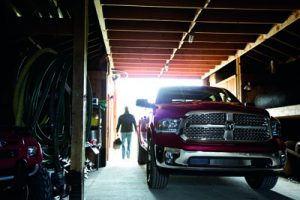
Five ways to enhance your truck
It’s impossible to design one truck that meets every individual’s preferences. But when it comes to Ram Trucks, there are many truck accessories to fit those preferences. In fact, Ram Trucks has designed over 200 of them specifically for the Ram 1500! Out of 200 contenders, we’ve selected 5 truck accessories you should consider investing in.
Customize your truck to you!
Enjoy tailgate parties? Like to drive on rough terrain? Need to haul lumber?
If you want your Ram Truck to be sportier, stronger, or more utilitarian, see which truck accessories cater to your needs!
Over 200 innovations
Mopar’s 200 performance parts and truck accessories are factory-backed and designed in the same studio that produces the All-New 2019 Ram 1500. This ensures that customizations perfectly complement the truck. Because “almost quite right” isn’t an option.
1,000s of hours of labor went into our designs
We highly recommend Mopar truck accessories. They are factory made for Ram trucks. Mopar’s 200-plus products created for the Ram 1500 were developed through thousands of hours of testing. All Mopar parts and truck accessories were designed specifically for the All-New Ram 1500.
Our top 5 Ram Truck accessories!
- Molded Ram mudflaps (helps protect your paint)
- Mopar trailer brake control (if you plan on towing)
- Step bars or running boards
- All terrain tires
- Mopar bed liner or spray on bed liner (protects surface of truck bed)
- Molded Ram Mudflaps (helps protect your paint)
Deluxe Molded Splash Guards
Deluxe Molded Splash Guards help protect the lower body of your truck and they look stylish to boot! They are molded to the contours of your truck for a sleek look.
Flat Splash Guards
Flat Rubber Splash Guards are made of thick rubber for maximum protection. A muddy road? No problem!
- Mopar Trailer Brake Control (if you plan on towing)
Trailer Brake Control includes module, wiring, and switch to safely brake trailers. Only fits Dodge Durango.
- Step Bars or Running Boards
Side Steps, Tubular
Both Premium and Tubular Side Steps provide wide skid-resistant stepping surfaces to make it easy and safe to get in and out of your vehicle. Premium Tubular Side Steps are made of lightweight anodized aluminum or powder-coated steel. Steps are mandrel bent for a consistent diameter. Premium Side Steps include molded end caps. May not be compatible with Front Splash Guards.
Side Steps, Factory Style
Factory Style Side Steps are included on Sahara and optional on X models. They mount to holes in the truck body. Cannot be used with production Rock Rails as they use the same mounting holes. Easy to install!
- All Terrain Tires
Buy tires and get a rebate!
When it comes to tires, you have options! Plus, you get a rebate! Rebates are based on the purchase of four tires.
Brands with rebates:
- Yokohama, $100
- Falken, $70 (see details)
- Continental, $70
- Pirelli, $70
- Firestone, $60
- Hankook, $50
- Mopar Bed Liner or Spray on Bed Liner (protects surface of truck bed)
Bed Liner, Under-the-Rail
Mopar® Skid Resistor Under-the-Rail Bed Liners and Tailgate Covers are tailor-made for your truck bed. The skid-resistant surface and ribbed design promote water drainage. Tailgate Covers feature built-in cup holders for your convenience (You can never have enough cup holders!). Made from rubber and polyethylene.
Additional All-New 2019 Ram Truck 1500 offerings include:
- 2-inch lift kit
- Off-road beadlock-capable wheels
- Off-road running boards
- Performance cat-back exhaust
- Tonneau covers
- All-weather floor mats
Additional Patriot Blue 2019 Ram 1500 Big Horn offerings include:
- 20-inch cast aluminum luxury-styled wheels
- Splash guards
- Off-road-style cast aluminum running boards
- Grey metallic bodyside graphics
- Redesigned bed step
- A handle that works with the bed step
- Redesigned composite one-piece tonneau cover
- Cold-air intake
- 5-inch gloss black or chrome exhaust tips
- High-bucket all-weather floormats
- Stainless steel door-sill guards
Truck accessories are included in your financing package
The Mopar Custom Shop offers customization options before your truck leaves the dealership. This means customizations are included in your financing package.
The All-New 2019 Ram 1500
Are you ready for your next adventure? With some 200 new, factory-backed parts offerings, you can be well equipped for wherever the road takes you!
Contact us
Ready to customize your truck? Contact us at Thelen Auto about buying a Ram Truck and adding truck accessories to complement your lifestyle!
Links:
https://www.mopar.com/ramtrucks/en-us/store/accessories.html
https://blog.mopar.com/200-plus-new-mopar-parts-and-accessories-for-all-new-2019-ram-1500/
https://www.mopar.com/ramtrucks/en-us/store/accessories/group/3157/Side+Steps+Tubular.html
https://www.mopar.com/ramtrucks/en-us/store/accessories/group/3152/Side+Steps+Factory+Style.html
https://www.mopar.com/ramtrucks/en-us/store/accessories/group/3098/Bed+Liner+Under-the-Rail.html
https://www.mopar.com/en-us/store/accessories/category/1003/Exterior+Accessories.html
https://www.mopar.com/ramtrucks/en-us/store/accessories/group/3166/Flat+Splash+Guards.html
https://www.mopar.com/ramtrucks/en-us/store/accessories/group/3163/Deluxe+Molded+Splash+Guards.html
4 Things That Improve The Car Buying Experience

How to get the best out of your car buying experience
It can be a stressful process buying a car. It’s a big investment and there’s a lot to think about. So how do you have a satisfying car buying experience to make the process more pleasant and easier – dare we say even fun? We’ve put together a list of 4 things that improve the customer experience. Read before you go!
According to a study, less than one percent of people prefer the car-buying experience the way it is. Surely, there is something that can make it better. Perhaps a different approach.
4 tips for a satisfying car buying experience:
- Communicate
- Test drive
- Do your research
- Make a list!
- Communicate
Your salesperson is here to help!
Car salespeople are knowledgeable about cars and they love sharing their expertise with customers – it’s what they do every day! Many have decades of knowledge about vehicles. They are a resource you can use to make more informed decisions. Take advantage of it! And you should feel free to ask questions and follow-up questions.
- Test drive
The best way to find out if a vehicle is the right fit for you is to take it for a test drive.
You might have watched car ads that make the car or truck look like something you’d love to drive. Of course it does! That’s what car ads do! But until you’ve tried it out yourself, you really don’t know what it will feel like and how it will handle.
Drive places you normally go on your test drive(s) and decide if it feels right for you. Also drive places you don’t usually drive, but will at some point. For example, the freeway. You’ll want to have that experience before making your final decision.
Also, there are things you might not have thought about. Drive your vehicle and park it in your garage. It’s happened where people have purchased vehicles only to find they don’t fit! You might have had a satisfying car buying experience, but not be so satisfied when you get home. Don’t let that be you!
- Do your research
You’ll have the most satisfying car buying experience if you feel confident in your knowledge and know what you want. Gain that knowledge from trusted 3rd-party sources such as IIHS, NHTSA, and Edmunds. These sites are unbiased and their only motivation is to help consumers. They have no hidden agenda. They’ll tell you everything you need to know without any spin.
The more you know before you go car shopping, the better you’ll be able to make informed decisions and the better you’ll feel about those decisions. It’s a cliché, but knowledge is power!
IIHS (Insurance Institute for Highway Safety)
The Insurance Institute for Highway Safety is a nonprofit research organization that rates vehicles in terms of how safe they are. They also list topics you can read through to glean more information on vehicles and safety.
NHTSA (National Highway Traffic Safety Administration)
Under the umbrella of the U.S. Department of Transportation, The National Highway Traffic Safety Administration rates cars on safety as well. They also provide information on recalls and feature helpful articles about car safety.
Edmunds
Edmunds offers car reviews. See what others think about the car you’re thinking about purchasing!
- Make a list!
And check it twice! Make a list of your needs versus your wants in a vehicle. And bring your list with you or save it in your phone to refer to.
Put together a list of must-have features and a list of features you would like to have before you visit the dealership. This can aid your salesperson in helping you choose the perfect model.
It can be stressful making a lot of decisions in one sitting. You’ll burn out and not be able to think clearly. It’s not a satisfying car buying experience if you feel stressed out and unsure of yourself. Make decisions ahead of time so you don’t have to think about it as much when you get to the dealership. It’s also hard for the staff to help you if you don’t know what you want. They’re experts on vehicles, but they’re not mind readers!
Needs versus wants to consider before you go:
- 360-degree surround-view camera system
- Air-conditioned seats
- Automatic emergency braking (AEB)
- Automatic high beams
- Back-up cameras
- Blind-spot monitoring
- Bluetooth connectivity
- Camera in the mirror
- Carbon fiber body
- Driver’s seat height-adjustable lumber support
- Dual-zone automatic climate control
- Easy speak features
- Entertainment systems
- Forward-collision warning (FCW)
- Gas mileage
- GPS system
- Head-up displays
- Heated seats
- Heated steering wheel
- Keyless entry
- Rear cross-traffic alert
- Size
- Spare tire
- Teen safety limits (limits speed and music level)
- WiFi hotspot
Contact us
At Thelen Auto, we always want you to have a satisfying car buying experience. Give us a call or stop on by to speak with one of our friendly, knowledgeable staff members. We’re driven to help you!
Links:
https://www.digitaldealer.com/three-ways-can-improve-car-buying-experience/
https://www.quora.com/What-would-be-the-best-way-to-improve-the-new-car-buying-experience
https://www.coxautoinc.com/learning-center/car-buyer-of-the-future-study/
http://www.iihs.org/iihs/ratings
http://www.iihs.org/iihs/about-us
https://www.nhtsa.gov/about-nhtsa
https://auto.howstuffworks.com/10-car-features-we-wish-came-standard.htm
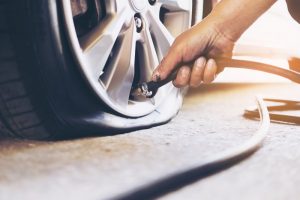
Get (road) ready for summer!
The last thing you want is to be waiting for an auto repair shop to open when you could be sightseeing or relaxing. But with some road trip vehicle preparation following our 4 tips on what to do before taking your car on a road trip, you should be in tip-top shape when you hit the pavement (or gravel)!
On vacation
Summer means vacation time. And, for many of us, that means taking a road trip with friends or taking the family to see natural wonders and historical places, and many people travel to the shores of Michigan to camp. Before you head out, it’s wise to make sure your vehicle is road ready for the trek.
Gear up!
So, what road trip vehicle preparation should you do before you gather material to write the next great American novel? We’ve put together a handy list of road trip vehicle preparation tips. That way, when the trip begins, you’re actually “On the Road” – not on the shoulder waiting for a service vehicle!
Our 4 road trip vehicle preparation tips:
- Check your brakes
- Check your tires
- Check and change oil if needed
- Pulling a trailer? Check turn signals and brake lights and make sure you have reflectors on taller loads.
- Check your brakes
Give your brakes a break!
The brake system
Brake fluid is a hygroscopic mineral oil; that is, it attracts and absorbs moisture. This eventually turns the brake fluid into the color of maple syrup. This indicates it will start rusting your brake components. This change also lowers the brake fluid’s boiling point, which can cause a squishy brake pedal.
The brake fluid should be filled to the ‘full’ mark. Have it flushed if you haven’t done so in two or three years.
Brake pads
The brake pad thickness should be above the minimum specified by the car manufacturer. Brake pads have wear indicators that squeal when you need to replace them. It’s embarrassing when you’re driving around getting looks, but it’s an oh-so handy tool to know when pads should be replaced!
- Check your tires
Tire tread
Traction is vital! Being equipped with the proper tire tread is important because your safety is at stake.
How long your tire treads will last depends on a number of factors, including if you are rotating them and which type of vehicle you drive. According to testing by Consumer Reports, tires usually last between 35,000 and 90,000 miles.
Check that the tread on your four tires aren’t too worn or worn unevenly. Most new tires have about 10/32 in. of tread depth. If your tire tread-depth is less than 2/32 in., get new tires.
How do you find out what your tread depth is?
Get a tread-depth gauge or take out your pocket change.
Be pennywise
Who says a penny isn’t worth anything? You can use a penny for this test. If the depth is below Lincoln’s shoulder, it’s time for new tires.
Or use a quarter!
Some say a quarter is more accurate than a penny. Push a quarter into the tread upside down. The top of Washington’s head should be partially covered; if you can see all of Washington’s head, get new tires.
Tire wear bars
Most tires have about three to six wear bars. Look at the tire wear bars running across the tire. If they are flush with the tread, get new tires.
Bubbles
If a tire has a bubble in the sidewall, install new tires. A bubble indicates that the inner liner is damaged, causing air to escape. Hitting a curb or encountering potholes, railroad crossings, or debris can do it. It could also be a tire defect.
Under pressure
Tire pressure that is! Make sure to check your tire pressure before your trip.
The number on your tires indicates the maximum amount of pressure it can withstand. However, the numbers are based on a cold tire and with extreme heat and speed it could lead to a blowout and there you are with a flat tire.
Also note that low tire pressure decreases fuel efficiency and causes tires to run hotter from the extra friction.
To find the correct pressure numbers look on your driver’s side door, in the glove compartment, or on the fuel-filler door.
To measure the number, use a pressure gauge.
- Check and change oil if needed
Oil level
You want to be at a ‘full’ level of motor oil before you start a trip.
Oil change
Are you due for an oil change? If you’re close, have one before you go. Not sure if you need one? Check the manufacturer’s guidelines or give us a call.
For long trips, consider using synthetic motor oil for extra protection against thermal breakdowns, less friction losses in the engine, and better gas mileage.
- Pulling a trailer? Check turn signals and brake lights and make sure you have reflectors on taller loads.
Make sure you’re following both state and federal laws.
Do a performance check. Are your turn signals and brake lights working? If not, get them fixed!
Hauling something around? There are special requirements, so make sure you’re aware of them.
Michigan vehicle code statute:
A motor vehicle, trailer, semitrailer, pole trailer, or vehicle drawn in a train of vehicles needs at least one rear lamp that emits red light visible from a distance of 500 feet.
A tail lamp or a separate lamp must illuminate, with a white light, the rear registration plate and be legible 50 feet away. A tail lamp or lamps, along with other lamps for illuminating the rear registration plate, should be lit whenever the headlamps or auxiliary driving lamps are lit.
So, basically, a trailer is required to have one red taillight and a license plate light.
Certain farm vehicles have different rules, as do especially large trailers. For more information, visit the U.S. government’s Electronic Code of Federal Regulations.
Lens covers should also be replaced if needed. Inspect these for cracks or holes.
Before you take off
One last note on road trip vehicle preparation! Before you go, take a quick drive on the local freeway to listen for anything that doesn’t sound right and look at the light icons above your steering wheel to see if it’s telling you anything. Do this ahead of time so if anything needs fixing you can bring it to our service shop to get the vehicle road ready!
We make cars and trucks road-trip ready!
Want someone to do your road trip vehicle preparation for you? Come in to Thelen Auto for a multi-point inspection before your road trip and we’ll check to make sure you’re road trip ready!
Links:
https://www.cnet.com/roadshow/news/how-to-prep-your-car-for-a-road-trip/
https://www.mlive.com/news/index.ssf/2011/05/traffic_talk_are_drivers_pulli.html
https://www.etrailer.com/faq-trailer-lighting-info-and-regulations.aspx
https://www.consumerreports.org/cro/magazine/2015/09/the-truth-about-tire-treadwear/index.htm
https://blog.tirerack.com/blog/docs-advice-on-tires/what-does-a-bubble-in-the-sidewall-mean
Replace or Repair? When to Ditch Your Old Vehicle

To replace or repair?
“Is it time to repair or replace my vehicle?” It’s a tricky question. You can’t predict the future, so it’s hard to base your decision on limited information. However, you can make an informed decision by considering a few factors that have helped many car owners who were in your same situation.
Factors to consider when asking, “Is it time to repair or replace my vehicle?”
- When does it start costing you money?
- What is the cost and what are your finances?
- Is the reliability impacting your daily life?
- What is your safety gap (Gap in safety features from your current ride to the new ones)?
- What is your technology gap?
When does it start costing you money?
While each vehicle is different, these are usually the most expensive repairs according to compare.com. Items are on average and include both parts and labor.
- Repairing transmission assembly: $5,400
- Replacing transmission assembly: $6,400
- Replacing engine: $5,500
- Replacing hybrid battery and reprogramming engine control: $4,140
This is when car repair starts getting expensive. When considering “repair or replace my vehicle” these are numbers you’ll want to crunch before deciding.
What is the cost and what are your finances?
Experts have a rule of thumb: If the repair bill is less than half of the current value of your vehicle, you should probably fix it. If the bill exceeds half the value of your car, you should probably buy a new one. If the repair bill costs more than the entire cost of your car … well, you know the answer!
When you ask, “Should I repair or replace my vehicle?” how did experts come up with this calculation?
Here’s another way to view the situation. Count up your repair bill(s) and calculate how much it is costing you per month. Is the amount more or less than what a new car payment would be?
Another tip is to look up the model, make, and year of your car on the internet and read forums of current and past owners of your car. What patterns do you notice? Were owners able to make a repair and get a couple more years out of their cars? Or, did they reach a tipping point where the expensive repair bills became a regular occurrence and things pretty much went downhill from there?
Your FICO score is another factor. It will determine your interest rate on your car loan and car insurance. This means your monthly payment could vary and change the math when you calculate whether repairing or buying would be less expensive.
Is the reliability impacting your daily life?
Your car breaks down and you’re late to work again. Your co-workers had to pick up the slack. Your boss isn’t happy. You wonder if you’ll be scheduled for less hours or even lose your job. You’re late to pick up the kids from childcare because the car’s in the shop and you’re charged a penalty.
While these aren’t direct car costs they could affect your income and then your ability to pay for car-related expenses. If your car’s unreliability is giving you a reputation as being unreliable and negatively affecting your life, it might be time for a new car.
What is your safety gap (Gap in safety features from your current ride to the new ones)?
Cars have come a long way – especially recently – when it comes to safety. Nowadays car bodies are designed to “crinkle” to lessen the damage should there be a crash. Airbags are improved. And technology helps us drive safer too.
It’s hard to put a number value on safety features, but it’s something to weigh when making your decision.
What is your technology gap?
While added technology is more expensive, it’s wise to have. If technology can prevent a crash, it will save you from car insurance hikes and car repair deductibles. Not to mention it could prevent an injury that could put a family member out of work.
New cars offer safety features that didn’t exist even a short time ago. These features make it safer to back out of your driveway, park in tight spaces, and reflexively brake to prevent a crash.
In a nutshell
When asking, “Do I need to repair or replace my vehicle?” only you can decide what’s right for your situation. Ask yourself which option is least expensive: monthly payments on repair bills or car or lease payments. Also be sure to consider safety features and peace of mind in your calculation.
Contact us
If you ask yourself, “Do I need to repair or replace my vehicle?” and your final decision is, “Yes, it’s about time for a new ride!” we’re here to guide you through the car-buying process.
Give us a call or stop in today to find your reliable ride that fits your needs and budget. We look forward to seeing you!
Links:
At what point does car maintenance become more expensive than it’s worth?
https://lifehacker.com/should-i-repair-or-just-replace-my-old-car-484335393
https://www.carfax.com/blog/repair-or-replace-my-car
https://www.edmunds.com/car-care/fix-up-or-trade-up.html
https://www.compare.com/auto-insurance/guides/should-i-repair-or-replace-car
2 Vehicles That Will Make Summer More Fun

And we’ll have fun fun fun!
Summertime. It’s the time for road trips, rolled down windows, and letting your hair fly in the wind. We all love summer. Driving to campsites, lakes, and hiking trails are all things to look forward to. But have you ever thought about vehicles that make summer fun? The best vehicles to make summertime even better?
We have! But, then again, cars are our thing.
We have two recommendations.
Vehicles that make summer fun allow you to:
Let your hair blow in the wind
Look up at the stars (unless you’re the driver of course!)
Catch a drive-in movie (yes, drive-ins still exist).
Haul a camper (and then camp!)
Drive on or off road.
Vehicles that make summer fun:
Jeep Wrangler
Ram 1500
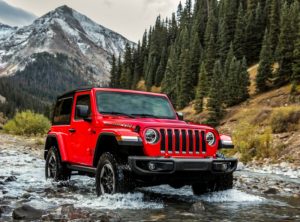
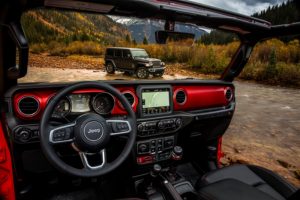
Vehicles that make summer fun: Jeep Wrangler
A Jeep Wrangler is fun and practical.
Key Jeep Wrangler benefits:
- Fun
- Practical
- You join a community of enthusiasts
- Spacious
- Can haul things
Blowin’ in the wind
The Jeep Wrangler is also great if you love convertibles. Not only can you take the top down, you can also take off the doors and drive around – legally!
From zero to sixty
We often think about how fast a car can transition from resting to 60mph. But have you thought about a different type of transition? Jeep Wranglers can quickly transition from rough terrain to paved road within a few seconds after changing gears. It’s one of their superpowers!
The bond among Jeep owners
When you see another Jeep on the road, wave. You’re in a community with an unspoken bond over these fun yet practical machines!
Space
You’ll be surprised how much you can fit!
Camper in tow?
Whether you want to go for a scenic drive or go on a camping trip, Jeep Wranglers are up for the job! You can easily attach and pull a camper behind you when you hit the road.
Great for winter too!
Not only are Jeeps the perfect way to haul your camper while catching a breeze, they’re also practical for the snowy weather conditions we see every winter in Michigan.
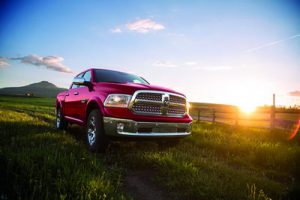
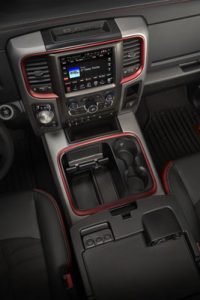
Vehicles that make summer fun: Ram 1500
Pick a pickup truck!
Why? There are so many reasons!
- Roomy
- Safe
- Fast
- Affordable
- Can haul a lot!
Full-size trucks are perfect for an adventure. But, what about responsibility? Well, they’re good for that too! Pickup trucks are also practical vehicles for practical folk.
Pickups are roomy inside and out
Is there any room in there? You bet there is!
Pickup trucks have room to haul and there’s plenty of head, shoulder, and hip room inside too.
Do you like to go camping but want to bring all the amenities of home with you to the point where it’s almost not camping? You can do that with the Ram! Should you bring the kitchen sink? You’ll have to discuss that with your significant other, friends, or family. But whatever the outcome of that conversation, the Ram can accommodate!
Need to haul wood for a house project or bring home a mattress? No problem.
Fuel efficient?
While cars typically get more miles per gallon, pickup trucks can haul a lot of weight. If you have a car, but need to make multiple trips, a truck might be more efficient.
Pickups are generally safer than cars
Safety among vehicles across the board has drastically improved in recent years, and modern trucks are no exception.
Trucks, however, have an advantage. The Insurance Institute for Highway Safety (IIHS) found that heavier vehicles usually push lighter vehicles backward on impact. This means less force on occupants in the heavier vehicle.
Size also plays into it. If a car and truck sideswipe each other, the truck’s passengers are much safer.
Sight is on your side
Pickup truck drivers sit up high, allowing them to look down at most traffic. This means truck drivers are more apt to identify – and react – to potential accidents.
Pickups provide a lot of value for the price
Pickup trucks offer generous interior space – more than most luxury cars. Pickup trucks offer horsepower that can outrun a 25-year-old Ferrari. Pickup trucks provide enough room in the truck bed for two people to sleep in. Pickup trucks have the power to tow and haul campers and boats. Pickup trucks come with four-wheel drive.
Whew!
While cars get more miles per gallon, given all the things pickup trucks can do the mileage they get is some impressive engineering.
Plus, pickup trucks are less expensive than most large SUVs.
Fierce competition means you win on price
Full-sized pickup trucks are the bestselling vehicles in the U.S. This means a lot of competition among manufacturers. It also means the sheer volume of vehicles produced uses economy of scale to drive down the price. Bottom line? You get an impressive product at low cost. It’s hard to beat that combination!
Pickups are fast
Just saying!
You decide
Of the vehicles that make summer fun, which is best for you? We know it’s hard to choose. Ultimately the decision comes down to you. Jeep Wranglers are fun and practical. Ram trucks are safe and offer impressive storage.
Which will you choose to drive this summer?
From all of us at Thelen Chrysler Jeep Dodge Ram, happy driving and stay safe!
Top 4 Road Trip Destinations!

“Gear” up for summer travel plans
It’s officially summertime June 21st. The weather is ideal for walking around and even swimming in the lake. Want to get out of town, but not sure where you want to go? We have four suggestions for awesome road trips you can take right here in Michigan!
We’ve selected itineraries from multiple sources, but largely from onlyinyourstate.com. We’ve modified them to be ideal for those starting their trip in the Great Lakes Bay Region of Michigan.
Our top 4:
Follow the Michigan Sunrise
Natural Wonders of Michigan
Michigan Lighthouses
Picturesque Small Towns in Michigan
“Sunrise Coast” Road Trip
Follow the Huron Shores Heritage Route covering 200 miles of shoreline along US-23. Each morning you’ll be treated to an awe-inspiring sunrise. Enjoy picnics, camping, and watching the sun rise!
1. Standish
Visit the Charity Island in Saginaw Bay. Canoe on the Rifle River. Visit historic sites, including cemeteries and the Michigan Central Railroad Station.
2. Au Gres
Enjoy the sunrise on Lake Huron. Take a walk through Au Gres City Park.
3. Oscoda/Au Sable
Enjoy the sunrise while standing on white sand beaches. Admire the lighthouses and hike along the Au Sable River. Visit a wildlife sanctuary. Bring your binoculars to spot birds from afar.
4. Harrisville
Attend an outdoor concert near Harrisville Harbor. Golf at Eagle Ridge Golf Course. Observe the Sturgeon Point Lighthouse.
5. Alpena
Thunder Bay River is prime for kayaking and scuba diving. Explore some 200 shipwrecks on the coast of Lake Huron.
6. Rogers City
Enjoy Rogers City but also include a trip inland to see Ocqueoc Falls, the only waterfall below the bridge. Relax on the beaches along Lake Huron. Ride your bike along Anishanaabe Trail to appreciate historic lighthouse after historic lighthouse.
7. Cheboygan
This harbor town offers amazing shows at the Cheboygan Opera House. Hiking at Cheboygan State Park is another treat.
8. Mackinaw City
Mackinaw City offers picturesque views of the Mackinac Bridge and quaint shops Downtown.
9. Mackinaw Island
While not on the official “Sun Coast,” consider ending your trip with a trek to Mackinaw Island. Ride the ferry, enjoy the quaint shops, taste some home-made fudge, and rent bikes to bike around the island. It’s the perfect crescendo to an awesome trip!
What to drive
A Dodge Ram is a great choice of vehicle to take on the journey. You’ll have plenty of room to pack extra clothes, bathing suits, hiking boots, and more. The back of the truck has enough room for a couple to sleep comfortably. In other words, you’re all set!
Michigan’s Natural Wonders
Michiganders live among pristine beauty. Here are eight places that prove it!
1. Nichols Arboretum (Ann Arbor)
Explore Ann Arbor and hike trails with views of the Huron River.
2. Turnip Rock (Port Austin)
This lakeside community offers an ideal setting for kayaking.
3. Tahquamenon Falls (Paradise)
Don’t miss this waterfall!
4. Pictured Rocks National Lakeshore (Munising)
Take a boat tour or a hike for scenic views of nature.
5. Kitch-iti-Kipi (Manistique)
This pristine stream is the perfect place to contemplate.
6. Sleeping Bear Dunes (Empire)
Offering great views of the Lake Michigan, challenge yourself to see if you can walk up all the sand to the top! The view is worth it.
7. Warren Dunes State Park (Sawyer)
Enjoy the beach on Lake Michigan at Warren Dunes State Park.
What to drive
Drive a Jeep Wrangler. Whether you’re on the highway or roads less travelled, you’ll be good to go!
Michigan Lighthouse Trip
Michigan has more lighthouses than any other state. So take advantage of it!
1. Fort Gratiot Light Station (2802 Omar St, Port Huron)
Begin your tour at the beginning with Michigan’s first lighthouse. This 85-foot lighthouse opened in 1825.
2. Sturgeon Point Light Station (6071 Point Rd, Harrisville)
Established 1869.
3. 40 Mile Point Lighthouse (County Park Rd, Rogers City)
Constructed in 1896.
4. Old Mackinac Point Lighthouse (526 N Huron Ave, Mackinaw City)
Operation from 1890 until 1957, today visitors can still enjoy it, inside and out.
5. Old Mission Point Lighthouse (20500 Center Rd, Traverse City)
Constructed in 1870, today visitors can walk to the top of this lighthouse. Make yourself one of them!
6. Grand Traverse Lighthouse (15500 N Lighthouse Point Rd, Northport)
The place where Lake Michigan and Grand Traverse Bay meet.
7. Point Betsie Lighthouse (3701 Point Betsie Rd, Frankfort)
This 1858 red-roofed lighthouse stands 36 feet tall.
8. Big Sable Point Lighthouse (5611 N Lighthouse, Ludington)
At 112 feet tall, this active lighthouse in Ludington is located in Ludington State Park.
9. Grand Haven Lighthouse (1001 Harbor Ave, Grand Haven)
Walk the pier to this 1905 lighthouse.
10. Big Red Lighthouse (2215 Ottawa Beach Rd, Holland)
Holland’s Big Red Lighthouse is painted that unmistakable, bright red known to the Holland across the Atlantic. Walk the beach at Holland State Park.
There’s more
There are more lighthouses in Michigan. This is just a sampling to get you started. Take this trip, then do some research and take a trip next summer to see the ones you didn’t catch this time around!
Picturesque Small Towns in Michigan
We’re certainly lucky. Many people come from halfway across the country to vacation in Michigan, while it happens to be in our backyard.
So, why not go on a road trip to appreciate more of what Michigan has to offer? After all, we’re already here! Pack your bags, hop in your car, and be prepared to be taken back in time.
Frankenmuth
Frankenmuth showcases Bavarian architecture and is ideal for shopping, dining, and walking around.
Chelsea
Check out the local theatre, downtown shops, or attend one of many planned family events.
South Haven
Stroll along the beach, absorb the scenery, and check out the historic downtown.
Saugatuck
This waterfront community boasts art galleries and plenty of homemade fudge.
Grand Haven
Beachfront access on Lake Michigan paired with festivals and other events makes Grand Haven doubly worth the stop.
More picturesque towns
Can’t get enough of small, picturesque towns? Want a longer trip? Try this itinerary!
Frankenmuth
East Tawas
St. Ignace
Charlevoix
Frankfort
Grand Haven
Saugatuck
South Haven
Chelsea
Enjoy your weekend(s) in Michigan!
Contact us
Ready to buy a new vehicle to kick off summer right? Call or stop by Thelen Chrysler Jeep Dodge Ram today to pick up your keys!
Wishing you adventure and safe travel this summer!
Links:
http://www.onlyinyourstate.com/michigan/unforgettable-road-trips-mi/
http://www.onlyinyourstate.com/michigan/lighthouse-road-trip-mi/
http://www.onlyinyourstate.com/michigan/natural-wonders-rt-mi/
http://www.onlyinyourstate.com/michigan/sunrise-coast-mi/
http://www.onlyinyourstate.com/michigan/small-town-road-trip-mi/
https://www.michigan.org/article/trip-idea/scenic-drives-michigan-summer-road-trips

What to think about when buying a car
You’re excited to buy a new car, but before purchasing a new car, make sure to ask yourself a few questions to make sure your car will suit you now and into the foreseeable future.
Consider these questions before purchasing a new car:
- What are you going to use it for?
- How long are you going to keep the vehicle?
- Who else is going to be using it?
- What is your budget?
This will help you distinguish what you want and don’t want in a car. With cars typically being the second largest purchase you’ll make – and a purchase you’ll be living with for a while – you want to choose a car you love not just on the lot, but every day.
What are you going to use it for?
When purchasing a new car, first consider your family and your lifestyle.
Is this a car you’ll use just to get yourself around, or do you have a large family? Are babies going to be part of the picture? If so, you’ll want something that can easily accommodate car seats. A two-door sedan would make your life unnecessarily complicated. Four doors would be more practical.
Drive an elder parent to appointments? You’ll want a car that’s easy to get into. An SUV you have to step up into wouldn’t be the best choice. Something low to the ground would make life much simpler – and safer.
Will you be hauling a boat or camper? If your vehicle isn’t equipped to handle a camper, you could cause damage to the car. Carrying lumber for a DIY project at home? What about transporting kids to hockey practice? You want to make sure all the equipment fits – oh, and the kids too!
Do you have a long commute? Something fuel efficient is something to seriously consider. Compare 40mpg versus 20mpg multiplied by 5 days/week times, 50 weeks/year. Those miles add up!
How long are you going to keep the vehicle?
Is this a car you’ll sell in two or three years or one you’re aiming to hang onto for 20?
If you’re single but plan to get married eventually, a two-seater sports car is fine if you plan to sell it in two years. Do you envision life a decade later involving a spouse and a couple of kids? When purchasing a new car, consider how your needs will change and try to accommodate for it now.
Who else is going to be using it?
Do you have a new driver? Safety will be a concern topping the list as teens have the highest rate of accidents per age group. Look for safety features that will keep your teen safer in the event of a crash. Think about safety features that could aid them in driving. Parallel parking anyone?
Do you and your spouse have a height difference? Depending on its interior, a compact car might be a headache for someone over 6 feet. On the other hand, someone who’s 4’11” in an SUV where it’s hard to reach the peddles doesn’t serve anyone well either!
What is your budget?
Set your budget before you start looking!
And remember, there’s more to consider than just the car payment. Include these items in your budget:
- Auto loan payment
- Car insurance
- Fuel (keep in mind that it fluctuates)
- License/Tags
- Routine maintenance
- Repairs
When purchasing a new car, a good rule of thumb is to allot no more than 10 percent of your income to your car payment per month on a 48-month term loan. Usually you can get a loan for 20 percent of your income. Even so, you should still aim for under 10 percent. It’s also wise to have a 20 percent down payment.
Figure out what you’re able to spend so it can guide you to the right car.
Watch out for this!
There are some things that might seem obvious … that is, after you’ve already purchased your car. Make sure you’ve thought things through beforehand:
- Will your car fit in your garage? It seems obvious, but deserves a mention because it has happened. Avoid this scenario!
- What features do you love in your current car? Are they something you could live without? If not, be sure your next ride has those heated seats or parking assist.
- What will your car insurance run? Consider items such as safety features, which lower your car insurance. Other factors that determine insurance cost include the car’s popularity, appeal to thieves, and the cost of parts and repairs. Don’t let your first insurance bill be a surprise!
Before purchasing a new car
Keep these things in mind when purchasing a new car and you should be able to narrow down your choices. Soon you’ll be selecting details, like if you want a built-in navigation system – or how many cup holders are available in the van for sippy cups. Happy shopping!
Links:
https://www.autocheatsheet.com/new-car/questions-before-buying-new-car.html
http://www.gocompare.com/car-insurance/questions-to-ask-before-buying-a-car/
https://www.lifehacker.com.au/2015/04/14-questions-to-ask-yourself-before-buying-a-new-car/
Connect with us


