





Protect your investment
A house and a car are two of the biggest investments you’ll make in your lifetime. Now that you’ve bought a car, you’ll want to protect your investment.
So how do you protect your investment?
Gap insurance, extended warranties, tire and wheel protection, and fabric/paint protection are great ways you can protect against mishaps in the future.
- Gap insurance
- Extended warranty
- Tire and wheel protection
- Fabric/paint protection
Which may be right for you?
Here are some pros and cons to help you make informed decisions.
Gap insurance
Gap insurance will protect your investment in case you have an accident while owing money on a depreciated vehicle.
Mind the gap: What is gap insurance?
When you drive your car or truck off the lot, your vehicle’s value immediately depreciates by as much as 11 percent. A year later, most cars have lost about 20 percent of their value.
If your car is damaged in an accident and you make a claim, a standard auto insurance policy will pay the market value of the vehicle at that point in time, taking depreciation into account.
At the early part of a loan, you are paying mostly interest. That means that if you put down a small down payment you could find yourself in a situation where the loan amount is greater than the vehicle’s market value.
Gap insurance covers the difference (a.k.a. the gap!) between a vehicle’s current value (paid by standard insurance) and the amount you owe on it.
When to go for the gap
Consider gap insurance especially with:
- Leasing (usually required anyway)
- Vehicles with faster depreciation
- 20 percent or less down payments
- 60 month (or longer) financing
- Car loans with negative equity rolled over from an old loan
Extended warranty
Another way to protect your investment is with extended warranties.
Consumers are keeping their cars longer, at the same time that new technology and electronics are becoming even more integral to cars. Holding onto a vehicle with complex parts to service has made many drivers interested in extended warranties, also called extended service contracts.
Some extended contracts last for 3 years or 36,000 miles, while others end after 10 years or 100,000 miles are clocked on the odometer.
What are the pros and cons of extended warranties?
Pro: Extended warranties cover expensive repairs
Computerized technology is costly to get fixed.
Pro: Extended warranties are tailored to drivers’ needs
You don’t have to pay for what you don’t need.
Pro: Dealers take care of all the paperwork
Check that off your to-do list!
Con: Extended warranties require repairs only be made at their approved providers
You might be on a trip where an approved provider isn’t close by.
Con: Extended warranties don’t cover everything
Make sure you are familiar with the exclusion list so there aren’t surprises “down the road.”
Con: Extended warranties are pricy
If only you had a crystal ball! You’re buying something expensive that you might never use, but if you need it would be even more expensive without it.
Con: You might not end up needing it
That said, not getting into an accident is certainly a pro! And you did get the peace of mind knowing a costly bill would have been covered.
Tire and wheel protection
You can also protect your investment with tire and wheel protection.
Pro: The protection will have your tires and wheels covered if you get into an accident due to a road hazard.
Con: Non-road-hazard accidents, such as crashing into a curb, are typically not covered.
This coverage is recommended if the tire and wheel protection costs less than 25 percent of the value of one of your wheels.
Fabric/paint protection
Protect your investment inside and out!
Fabric protection
Pro: You never know when something might spill and damage your upholstery. Fabric protection guards against stains; and, if they do appear, this protection has you covered.
Con: Spraying Scotchgard on your upholstery is an inexpensive protective alternative.
Paint protection
Paint Protection Film (PPF), also called clear bra paint, is a thermoplastic urethane film that protects a vehicle’s exterior, including hood, side mirrors, fenders, side skirts, door edges, and bumpers. It also gives your vehicle a smooth finish!
Pro: Offers benefits without repainting your vehicle.
You can save time and money.
Pro: Preserves paint
PPF contains a UV coating that maintains your vehicle’s original color.
Pro: Easy to clean
No more trips to the car wash. PPF means you can simply dust off your car for it to sparkle.
Pro: Avoid rock chips
PPF protects your vehicle from rock chips, small stones, debris, climatic change, and abrasion.
Pro: Goodbye, door dents!
PPF protects door edges and bumpers in the parking lot. No more notes under your windshield!
Pro: Ups resale value
Adding a PPF finish will likely increase your vehicle’s resale value.
Pro: It lasts
PPF provides 3 to 5 years of protection.
Pro: Cost effective
PPF saves money in the long run.
Con: expensive
Protecting your vehicle isn’t always cheap.
Protecting your vehicle … and wallet
Gap insurance, extended warranties, tire and wheel protection, and fabric/paint protection are all ways to prevent damage to your vehicle and your bank account. Consider the pros and cons and what’s right for you!
Links:
https://www.trustedchoice.com/insurance-articles/wheels-wings-motors/car-depreciation/
https://www.edmunds.com/car-buying/how-fast-does-my-new-car-lose-value-infographic.html
https://www.iii.org/article/what-gap-insurance
http://www.jdpower.com/cars/articles/tips-advice/pros-and-cons-buying-extended-warranty-car
http://www.realcartips.com/warranties/286-tire-and-wheel-protection.shtml
https://www.quora.com/What-are-the-pros-and-cons-of-paint-protection-films-in-cars
https://www.usedcars.com/advice/car-tips/is-fabric-protection-worth-the-cost-3387/
Is an Extended Auto Warranty Right for You?

Should I get an extended auto warranty?
You’re at the car dealership, almost ready to drive home your new car. But should you buy an extended warranty before the dealer hands you the keys?
Well, first it’s important to understand types of auto insurance, what an extended auto warranty is, and where it fits in the picture!
Types of Warranties
There are extended warranties offered by the carmakers (a.k.a. original equipment manufacturers or OEMs) and warranties offered by a third party.
A tale of two extended warranties
Extended warranties offered by OEMs include:
• Powertrain
• Bumper to bumper
Powertrain
A powertrain warranty covers your engine, transmission, and suspension against defects.
Bumper-to-bumper
A bumper-to-bumper (“limited”) warranty covers most everything else. With a bumper-to-bumper warranty, you will also need to decide how much you are willing to pay for a deductible. Note that deductibles for OEM warranties are rarely more than $200.
Third-party warranties
Many third-party (“aftermarket”) warranties offer similar coverage to OEMs, but there are some differences. Third-party warranties:
Pro: Usually cost less than OEMs.
Pro: Might be the only option available.
Con: Might have exclusions, rules, and requirements that OEMs don’t have.
Con: Have limitations on where you can have your vehicle fixed.
Con: Can have expensive deductibles.
Con: May require you to pay for repairs up front and file for reimbursement (which might take awhile).
Used-car warranties
Warranties aren’t exclusive to new cars. However, with used-car warranties, find out if it’s transferable and how much of the warranty is left. That is, does the clock start ticking when the warranty was purchased or when you buy the car? Usually all or part of a warranty is transferable to the next buyer.
Where an extended auto warranty fits into the picture
Warranties already included with your car
New cars come with a variety of warranties, including a bumper-to-bumper “factory” warranty that covers you for at least three years or 36,000 miles. It covers repairs but doesn’t pay for parts that wear out or for routine maintenance.
Are you already under warranty?
How long will you keep your car? If your vehicle comes with a warranty of three years, or 36,000 miles, and you plan to sell it in three years, you’re already covered.
If you’re purchasing a used vehicle with a warranty that has run out and you intend to drive the car for years, an extended warranty would protect you against the unknown car history and the unknown risk of it breaking down costing you pricy repairs.
What’s covered and what isn’t?
Plans might seem essentially all the same, but nuances can become a big deal when you need to make a claim. Make sure you read the fine print.
Find out how long you will be covered
Does the warranty for a used vehicle start when you take ownership or when the car was new?
Understanding your policy is key
You have the factory-included warranty, so it’s important to understand how long it will cover you and what would be covered by additional insurance. An extended auto warranty covers repairs after the included warranty expires.
An extended warranty is an insurance policy on your vehicle. Consider the pros and cons:
Pro: Peace of mind knowing that you’re covered.
Pro: No unexpected expensive repairs.
Pro: If you have an expensive problem – it won’t be your problem!
Pro: It’s rare to find a used car with a confirmed history of all its maintenance and repair.
Con: Costs extra.
Con: You might pay for something you never use – but you will always have peace of mind knowing that expensive repairs won’t drain your savings.
Con: Extended warranties don’t cover routine maintenance, such as oil changes, timing belt replacements, and tune-ups.
Con: Most extended warranties don’t cover items that wear out, such as brake pads and windshield wipers.
Keep it up!
Make sure to keep up with regularly scheduled maintenance. Some warranty companies refuse to cover a repair if the owner hasn’t routinely serviced the car. Keep your receipts!
Situations to consider
Each individual’s situation is different. Consider if any of the following apply to you:
Lease protection in lieu of an extended auto warranty
If you’re leasing, you are most likely required to have an extended warranty. Drivers who are buying have a decision to make.
The mechanically inclined
If you are mechanically inclined and love tinkering with cars as a hobby, you might be able to repair your car yourself. Make sure that your vehicle doesn’t have a lot of computerized technology that isn’t easily repaired.
Older vehicles no longer under warranty
If you have an old vehicle that’s no longer under warranty, an extended warranty serves as just that: an extension to the original warranty that ran out.
Can’t afford to have a non-functioning vehicle
If you’re in a situation where you must have a vehicle, an extended warranty could be a good option. If you can’t afford to have a vehicle not working, an extended warranty ensures you get your car fixed without disrupting your monthly budget by an unforeseeable expense.
Consider the following questions:
An extended auto warranty is like repair insurance after the manufacturer’s warranty expires. Let these questions guide you to a decision that’s right for you.
1. Are you leasing or buying?
2. Is a running vehicle a “must have”?
3. Do you have an older vehicle?
4. Are you mechanically inclined?
5. How likely is the car to break down?
6. Will repairs be expensive? Does your car have a lot of computerized technology?
7. Will repair costs be more than what you pay for the warranty?
8. Is the peace of mind worth the price of an extended warranty?
9. How risk averse are you?
An extended auto warranty is unique to each person, car, and circumstance. Weigh your options and decide what is right for you!
Links:
https://www.thinkthelen.com/
https://www.edmunds.com/auto-warranty/understanding-extended-warranties.html
https://www.consumerreports.org/used-car-buying/when-an-extended-car-warranty-is-worth-it/
Maintain a Healthy Car this Spring
The snow has melted. Spring is here! While spring might bring April showers and May flowers, it also brings an opportunity to take your car in for an inspection. This will identify any minor fixes that need to be made before the minor problems become unavoidable, costly, and sometimes even dangerous.
It’s an optimal time to follow these car maintenance tips, as summer vacation is coming up before you know it – and with summer comes an increase in driving.
Reasons to Keep Your Car Properly Maintained
Safer
Every day thousands of people are injured in traffic accidents due to faulty break systems, worn-out tire treads, and worn out drive belts. Why not take the proper precautions to avoid being a statistic? People don’t think accidents will happen to them until it’s too late – and then regret not having taken minimal time and money to prevent them.
After all, it’s your life we’re talking about!
Reliable
You want to make sure that your vehicle is ready to go when you need it. Parts get old and wear out. Timely maintenance can help avoid any unnecessary downtime.
Efficient
Your car will run more efficiently when it’s well-maintained and running properly. You will see improved gas mileage and less untimely “large” maintenance bills.
Spares You from Expensive Repairs “Down the Road”
If your engine needs repair because it hasn’t been serviced properly, it could cost thousands of dollars more than you would have paid if you had regularly serviced your vehicle. Sometimes half the cost of such repairs could buy you a great vacation!
Commands a Higher Resale Value
With the rapid growth in technology, information is at anyone’s fingertips with a Wi-Fi connection. This means buyers are savvier. These days, a buyer will likely want to see your maintenance records to show the car is in good repair. Can you provide them with one?
Better for the Environment
Hybrid and electric cars are better for the environment, but even if your car strictly runs on gasoline, it doesn’t mean you can’t make a contribution. It isn’t “all or nothing.” Avoiding leaks and minimizing fume levels makes a positive contribution.
Less Roadside Assistance Needed
The last thing you want is to be on the side of the highway calling for help. Scratch that. The last thing you want is to pay for a battery to be delivered to the middle of nowhere or call a tow truck – and pay the bill. Regular vehicle maintenance is a lot cheaper than these services. While this doesn’t mean you’ll never find yourself on the side of the road next to your car with flashing lights, regulate maintenance will significantly decrease the chances.
What Should You Include in Your Maintenance Plan?
Here are some important car maintenance tips to get your car ready for spring. Pay attention to:
- Fuel efficiency
- Detailing
- Regular oil changes
- Safety checks
- All season tires
Fuel efficiency
If your engine is burning more than it needs to and you’re burning a hole in your wallet, it’s time to get to the bottom of it.
One of the culprits could be tire pressure. If your tires are underinflated or misaligned, your engine has to work harder and, hence, burns more fuel. Just a few pounds of pressure can significantly affect your gas mileage.
Heavy items in your car adding weight also make your engine work harder. So, if you’re toting around hockey equipment or other unneeded items, bring them into the house and give your engine a break!
Detailing
When it comes to detailing, sweat the details. You want the best detailing products you can get your hands on. While giving your car the appearance of being sparkling new, it keeps your car protected from the elements. And there are plenty in Michigan!
Also consider a wax. Spring brings the birds back, which is great, but along with the birds come their droppings. Wax makes it easy to wipe off and prevent compounds in the dropping from damaging your car’s paint.
Regular oil changes
Changing your oil and oil filter at the frequency recommended by your vehicle’s owner’s manual ensures the engine runs without a hitch! Oil changes result in better engine performance, less fuel consumption, and prevented engine damage.
Safety checks
Make sure your windshield and all running lights are in good working order.
If your windshield is cracked or chipped, get it fixed immediately. A cracked windshield can decrease the effectiveness of airbags, seatbelts, roof stability, and your personal safety in an accident. A simple chip can turn into a large crack over time if not addressed.
Get your lights replaced if they’re not working. If cars behind you don’t know you want to stop or turn, problems are eminent.
All season tires
Your winter tires served you well in snowy weather, but now it’s time to trade them for all season tires.
Maintain optimal tire pressure recommended in your owner’s manual. Check tire treads for uneven or irregular wear. Rotate your tires every 6,000 miles or so and replace them if worn out or damaged.
More car maintenance tips:
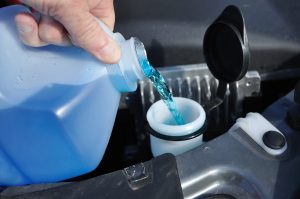
- Check your fluids
- Replace your wiper blades
- Lubricate your chassis parts
- Replace your filters regularly
Calling All Cold Climate Cars!
These items are especially relevant for vehicles in cold regions such as Michigan.
- Check your belts and hoses
- Check your battery
There’s an App for That
If you want to get better at maintaining your car; or, if you’re on the market for a used car and want to check out a car’s maintenance history, check out the new technology that makes keeping up with your car much easier!
- aCar
- AutoCare
- Car Maintenance Reminder
- Car Minder Plus
- Road Trip
Read the Owner’s Manual
No, this is not a joke! This guide will tell you how to optimize performance and functioning. The instructions will explain what needs maintenance and signs to look for so you know when to take your car in to be serviced in order to mitigate further damage.
Plan and Save
Follow these car maintenance tips to extend the life of your car. Your car and wallet will thank you! Happy spring from Thelen Auto Group!
Links:
http://www.carcare.org/car-care-resource/car-care-tips/
https://www.carbibles.com/car-maintenance-tips/
https://www.becarcareaware.ca/spring-car-maintenance-tips/
Budget friendly cars
Eco-friendly cars that are easy on your wallet and tough on the road
When it comes to a budget friendly car, there are a few things to keep in mind, including gas efficiency, your eco footprint, what your “must have” features are, and what needs might crop up in the future that your car will need to handle.
- Gas efficiency
- Eco footprint
- Must-have features
- Future versatility: needs now versus in coming years
Gas efficiency
Striving for better gas efficiency seems like a no brainer. It saves you money at the pump and you can feel good about helping the planet.
Buying a fuel-efficient, budget friendly car has the collective effect of reduced contribution to green house gases and a decreased reliance on foreign oil. The reduction in fuel that you’ll need means you can spend that money on other things. You’ll also save time because you won’t have to gas up as often.
Even when fuel prices decrease, you are still saving time and money. You also don’t have to worry as much about gas prices returning to $4/gallon.
Be sure to consider fuel economy when you’re deciding what will be your next ride.
Tougher fuel economy standards paired with higher consumer expectations have increased efficiency across the board, but consumers should still pay attention because some cars are more efficient than others.
Eco footprint
Factors that affect a car’s fuel efficiency include the size of the engine, number of cylinders, weight and size of the car, and more!
Do your research and pay attention to the details. Smaller engines burn less fuel, but some big cars made of lightweight material including high-strength steel, fiberglass, aluminum, plastic, and other composite material are fuel efficient.
So, do a favor for yourself and the environment!
What are the benefits?
Less greenhouse gas emissions, means more green in your pocket
Vehicles using gasoline emit greenhouse gases (GHGs), including carbon dioxide (CO2) that contributes to climate change.
Less oil dependence, more independence
Fuel efficient, budget friendly cars reduce our demand for foreign oil. While the primary focus of this discussion typically focuses on volatile oil markets there is also the fuel it takes to transport oil halfway across the world!
Less pollutants, more efficiency
Vehicles emit air pollutants that contribute to smog and harmful particulates in the air we breathe. Budget friendly cars are typically “efficient” cars, meaning they contribute less pollution to our environment.
Must-Have Features
With or without you?
While ultimately it’s a personal preference, there are some car features that are worth it and others that are nice, but not necessarily a “must have.”
Cars are safer, more comfortable, and have made great strides in technology integration over the past few decades. In other words, we’ve come a long way from the days when air conditioning was a luxury or cars weren’t heated at all (bundle up!). Still, there are new features that don’t come standard that are nice to have.
The following items made the top 10 list or an honorable mention from Consumer Reports:
- Bluetooth – Don’t talk on the phone, as drivers are often distracted and cause accidents. However, phone features including internet radio and navigation ensure you get to your destination and aren’t bored getting there!
- Blind-spot monitor – Lights in the side-view mirror warn you of blind spots.
- Backup camera – Backup cameras are usually standard now, and might even become law. Especially helpful for backing out of a driveway.
- Automatic headlights – Automatic headlights turn on based on the light around them. One less thing to worry about!
- Heated seats – It’s Michigan, people!
- Auto door unlock – If the car key is with you, just pull on the door handle and it automatically unlocks.
- Trip computer with fuel mileage and range – Know how many miles you can go before filling up at a gas station. No need to question if you can make it to the next exit!
- Full-sized spare tire – They work better than a spare and they definitely work better than nothing!
Future versatility: needs now versus in a few years
Despite their size, some compact cars are designed with a roomy interior. Are your babies going to become teens with long legs? Will you be traveling to visit family or planning any road trips out West? Check out the interior space first if the answer is “yes.”
How about the trunk or hatch space? Will it hold what you need to store?
Imagine your life five years or even ten years from now. What will your needs be? When you’re buying a car for yourself you’re also buying it for your future self.
Thelen Auto budget-friendly car for example:
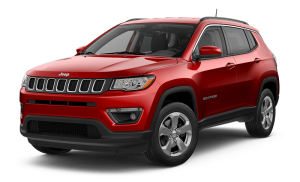
Jeep Compass
The All-New 2017 Jeep Compass was named the Northwest Outdoor Activity Vehicle of the Year in the Compact Utility Vehicle segment at the 23rd Annual Northwest Automotive Press Association ‘Mudfest.’
Standard features include:
- 4L Tigershark® MultiAir® 2 engine
- ParkView® Rear Back Up Camera15
- Uconnect® 3 with 5-inch touchscreen
These are just a few of the budget friendly cars that we have to offer. Stop by our lot and have a friendly representative show you what we have in stock.
Thelen Auto Group wishes you wealth (in saved $) and health for the environment!
Links:
https://cars.usnews.com/cars-trucks/rankings/small-cars
https://www.kia.com/us/en/vehicle/optima/2018
https://www.consumerreports.org/fuel-economy/the-real-difference-a-fuel-efficient-car-can-make/
https://www.fueleconomy.gov/feg/fcv_benefits.shtml
https://wheelzine.com/environmental-benefits-of-fuel-efficient-cars
https://www.consumerreports.org/cro/news/2013/01/10-car-features-you-can-t-live-without/index.htm
https://www.marketwatch.com/story/10-most-versatile-cars-under-20000-2012-05-04
https://www.consumerreports.org/cro/2012/05/best-worst-fuel-economy/index.htm

Getting ready to ride? Here’s a quick and easy guide!
In order to benefit from our new driver tips, you need some wheels to get around in, so let’s start with a quick guide to budgeting for and buying your first vehicle.
- Payment plans that make buying a car as a recent grad easy
- Budget
- Safety
- Payment plans that make buying a car as a recent grad easy
Unless you’re paying in cold hard cash, chances are you’ll be taking out a car loan to finance your purchase. This might sound daunting, as buying a car is probably the most expensive thing you have ever purchased at this point in your life if you’re a recent grad.
It’s exhilarating (or relieving depending on your perspective!) to think about graduating from high school and heading off to college. It’s exciting to think about driving from your apartment to campus or exploring restaurants and concert venues in your new city. However, there are minor details that can make a major difference in your financial health.
Besides cash, taking out a loan is another way to purchase a car. However, most grads don’t have a credit history. This makes taking out a loan difficult without a co-signer. Establishing your credit is another route, but it takes at least six months and by then you’re already attending class!
One great way to put your car-buying dream in place is to set up a payment plan.
Devise a budget
The first step is to set up a budget for yourself at college so you know how much you can afford to spend on a car. Car payments and car-related expenses generally shouldn’t exceed 20 percent of your income.
Put away those pennies
Start saving now. If you have a substantial down payment, you will save money.
Opt for shorter payment durations if you can
The newest trend in automotive financing is car loans made over 73 to 84 months (6 to 7 years). This means you’ll pay more interest over the life of the loan. Opt for a shorter loan length if possible.
Budget
Now that you’ve created a general budget for your over-all living costs, create a car budget. Cars aren’t simply the cost of the car. There’s also maintenance, insurance, registration, fees, taxes, and fuel costs to consider.
We’ve provided an outline with estimated costs taken from AAA, but the amount of money you will need depends on the fuel efficiency, commute, car model, and insurance company.
Maintenance
$50-60/month
Routine car maintenance, such as changing the oil and rotating the tires, costs about 4 cents per mile driven, about $622 per year based on 15,000 miles.
Insurance
$80-200/month
Insurance is costly and varies depending on your insurance company, type of policy, your insurance history, the make and model of your vehicle, your credit score, your marital status, and your age.
The AAA estimates car insurance for a married 47-year-old male with a good driving record, driving a small sedan, living in a small city, commuting 3-10 miles/day to work, with a policy that includes injury liability limits of $100,000/$300,000 and comprehensive and collision coverage with a $100 and $500 deductible respectively is $981. However, new drivers can easily be required to pay double this amount or more to insure a vehicle.
Registration, fees, taxes
$40/month
AAA estimates the annual payment of state taxes, fees, and any required emissions testing for a small sedan is $480/year ($40/month). Talk to your local DMV or county clerk’s office for more information.
Fuel
$100-250/month
The more fuel efficient your ride, the more you will save in gas money. The U.S. Department of Energy estimates that a vehicle that gets 30 MPG will save you $638 in gasoline per year than one that gets 20 MPG, based on 15,000 miles of annual driving with gas at $2.55/gallon. Over five years, that’s a $3,188 savings! Try fueleconomy.gov’s savings calculator for more information on how much you can potentially save.
New driver tip: Some auto insurance companies do offer discounts for students with high GPAs. So, crack open those books!
Safety
Not to be a downer, but the leading cause of death for people between the ages of 15 and 20 is motor vehicle accidents. That’s why is so important to be vigilant when it comes to driving safely.
On The Road
While being on the road might sound like an adventure straight out of a Jack Kerouac novel, the reality is that driving is dangerous. Cars are big pieces of machinery and it’s easy to make mistakes. However, these 25 new driver tips will help you to drive as safely as possible.
25 new driver tips to keep you safe on the road:
- Drive defensively.
- Obey speed limits so you have time to stop or react.
- Allow enough space between yourself and the driver ahead of you.
- Wear your seat belt.
- Clean your windshield to maintain visibility.
- Hold the steering wheel at either 3 and 9 o’clock or 4 and 8 o’clock. If the airbags go off, your hands won’t fly into your face.
- Don’t make assumptions about what other drivers are going to do (even with turn signals).
- Stay away from aggressive drivers as best as you can.
- Never pull out in front of anyone.
- Be constantly aware of your surroundings.
- Even after the light turns green, check the intersection. Some drivers try to speed through a red before they (incorrectly) anticipate the light will change.
- Avoid driving in bad weather.
- Don’t drive drunk. Just say, “No!” Call a cab or order an Uber.
- Don’t drive when you’re sleepy or fatigued. It’s worse than driving drunk.
- Avoid distraction or distracting passengers (yes, even your friends).
- Avoid left-hand turns when you can.
- Use your turn signal.
- Get to school 5-10 minutes early to avoid the rush of traffic in the parking lot.
- Pass with caution.
- Don’t text while driving.
- Anticipate what drivers are going to do.
- Pay attention to traffic signs
- Carry an ice scraper in the back seat.
- Learn to drive in all weather conditions.
- Did we mention to drive defensively?
Thelen Auto Group wishes for safe and happy driving for all new drivers and welcomes you to visit our lot and test drive one of our many economy models today. Whether you’re a newly licensed driver or a recent grad preparing for college, we have a vehicle that will serve you well through your early adult years.
Links:
http://teendriving.com/driving-tips/on-the-road/
https://driving-tests.org/beginner-drivers/top-defensive-driving-tips/
https://blog.directgeneral.com/discounts-savings/budgeting-for-car-expenses/
https://www.nytimes.com/2015/06/02/your-money/research-pays-when-new-grads-buy-a-car.html
https://www.bankrate.com/loans/auto-loans/a-graduates-guide-to-buying-a-car/
https://www.fueleconomy.gov/feg/choosing.jsp
https://www.fueleconomy.gov/feg/savemoney.jsp
What to look for when shopping for a family vehicle (versatility, storage, seating, safety)

What is the key to a great family vehicle?
While purchasing a car for yourself is a big deal, finding the right vehicle for your family raises the stakes because it will provide transportation to multiple people.
Things to look for when making the big decision?
Whether you choose a large sedan, minivan, sports utility vehicle (SUV), or something else, make sure it has these four things:
- Versatility
- Storage
- Seating
- Safety
Family-sized shopping
Shopping for a great family vehicle is a lot different than shopping for your first car. Sure, there are similarities, but this takes into account the needs of different individuals in the family and, of course, the family itself. It also takes into account change and anticipating needs for the future.
Versatility
Just like you have different needs, so does your family. The trick is to find something that will accommodate everyone both as pieces and as the sum of its parts.
Do you buy a lot of groceries at the same time? Go on skiing trips transporting equipment for everyone in your family? Are you a fan of road trips?
Do your children play sports? Do you think they will when they are older? Are they in a band? Whether you need to haul hockey equipment or drum kits, looking for a vehicle with removable seating and plenty of storage space is a good idea. Also, make sure the seats are easy to detach and re-attach.
Storage
Do you go on vacations? Road trips? If you do, you know long trips amplify everything. If your teenagers don’t feel like they have enough leg room during a test drive, how do you think they will feel after a seven hour drive?
When you go on vacation do you bring a lot of stuff? If so, you’ll want to make sure there’s room for both gear and passengers to fit comfortably.
If you need a lot of space, look at minivans or SUVs with removable seating; these are great family vehicle options.
Seating
How many seats do you need? You may simply count the number of members in your immediate family. Done! However, maybe right now you have a toddler. In a couple of years, are they going to have a sibling? Are you going to get a family dog? Do you carpool? Consider how your seating and storage needs might grow over the years.
Will your kids want to bring a friend on a family vacation?
Do you play a caregiving role to your parents or will you soon? Consider a vehicle that’s easy to step into.
Safety
Safety is undoubtedly your number one priority. When it comes to finding a great family vehicle, you want the safest option out there.
You want to know that in a crash, the vehicle collapses in a way that minimizes impact on passengers.
Even though you might be a great driver, is your teenager? They might be cautious, but they aren’t very experienced yet. Also, young or old, you can’t control other drivers on the road.
Safety ratings
Look at:
- National Highway Traffic Safety Administration’s (NHTSA) crash ratings and other information at https://www.safercar.gov/
- Insurance Institute for Highway Safety’s (IIHS) vehicle crash safety ratings at http://www.iihs.org/iihs/ratings
Safety features
It’s even better to avoid accidents all-together. Check out these safety features:
- Adaptive cruise control with auto brake
- Adaptive headlights
- Airbags with deactivation control
- Anti-lock brakes
- Backup cameras
- Blind spot warning
- Child safety locks and windows
- Electronic stability control
- Head restraints
- Head injury protection
- Lane departure warning
- Parking assistance
- Reverse sensors
- Side-view assistance
- Traction control and all-wheel drive (These work well together)
Additional family-vehicle buying tips:
- Stay within your budget
- Research before visiting the dealership
- Consider fuel economy
- Select or add features to make your vehicle easy to clean
- Bring your family in for the test drive to see what they think
- Learn your vehicle’s features before you take it out on the road
The take (drive?) away
Think about each individual family member and what their needs will be over the life of the vehicle. Also consider everyday and every-so-often driving needs. What activities? Who will come? How much do you need to haul?
Contact us
At Thelen Auto, our staff is happy to discuss options that will best suit your family’s current and future needs. Stop by and today and talk to a friendly representative about finding a great family vehicle that fits your needs.
Links:
https://www.edmunds.com/car-buying/25-tips-for-easier-family-car-shopping.html
https://www.parenting.com/family-time/money/10-tips-successful-family-car-buying
https://www.dmv.org/buy-sell/new-cars/buying-a-family-car.php
https://www.safercar.gov/
http://www.iihs.org/iihs/ratings

To winterize or not winterize
It’s that time of year when roads are cold, wet, and slippery with ice and snow. When the mercury shows temperatures in the single digits, it’s time to think about winter tires.
However, when people talk about winterizing their transportation with winter tires, should you really listen to these suggestions?
The answer is “yes.” These drivers are not just taking the time and expense to be model citizens in an ideal world where everyone is prepared. These drivers are being smart, practical, safety-conscious, and economical.
With advances in all-season tire design and often milder winters, one might think winter tires are a good idea, but wonder if investing in a set is worth it. Consumer Reports says it is. Their research show that winter tires “deliver better grip to start in snow and stop on icy surfaces.” Winter tires also “offer an extra margin of performance over all-season and all-terrain tires.”
Note: while, generally, winter tires will serve you better during the cold months, depending on the specific tire, some all-season tires outperform winter tires.
So, what’s the difference between all-season tires and winter tires?
All-season tires
Most vehicles come with all season tires. These tires are relatively quiet and have a good tread life and fuel economy. All-season tires are made for versatility, including wet roads and light winter driving. So far so good!
However, do all-season tires combine the best of both worlds? Unfortunately, no. All-season tires are not designed for driving on snow and ice. All-season tires are ideal for moderate climates, but conditions that include extreme cold, ice, and snow during the winter months call for with winter tires.
Winter and snow tires
From heavy snowfall to black ice, if it’s winter in Michigan, your tires need added traction. In snowy weather, winter tires have better stopping and starting ability. Winter tires have a mountain and snowflake symbol on the side. This indicates that the tire meets industry-standards of snow traction.
Features of winter tires include: tread rubber, tread depth and patterns, and biting edges.
- Tread rubber
- Tread depth
- Patterns
- Biting edges
Tread rubber
In extreme cold, the rubber on all-season tires stiffens, hindering their traction. The rubber on winter tires, however, is designed to be flexible under cold conditions.
Tread depth
Winter tires have a deeper tread depth. This reduces the buildup of snow to provide better traction.
Tread patterns
Winter tires have unique tread patterns that expel snow, slush, and water away from the wheels.
Biting edges
Winter tires feature more biting edges and high sipe densities. Siping refers to cutting thousands of tiny slits in the rubber tread to provide traction on the ice.
Additional winter options
In addition to basic winter tires, you might also want to consider wide winter tires or studdable tires.
Wide winter tires
Wide winter tires improve safety even more. These tires work well on dry roads, wet roads, and even compact snow.
Studdable tires
Studdable tires have good traction and can claw ice. The downside is they’re noisy and can leave scratch marks. Studdable tires also tend not to last as long as regular winter tires and don’t grip cleared roads as well as their regular winter counterparts.
Tips
Experts advise changing to winter tires before the start of the season.
Always install a full set of matching tires. Changing out the front tires could cause the rear tires to skid. Winter tires exclusively on the rear wheels could cause the front tires to lose traction.
Change back to all-season tires in Spring. Winter tires are meant for winter conditions and will wear out more quickly on dry roads than all-season tires will. Then your winter tires won’t perform as well come next winter, but remove them at each winter’s end and you may get three or four seasons of good use out of them!
In sum, if you opt for winter tires:
- Select winter tires that are the same or wider than your regular tires
- Consider studded tires
- Look for the mountain and snowflake symbol on the tire
- Change out all four winter tires to match before winter weather hits
- Remove winter tires at the end of every winter and change back to all-season tires until the next winter.
Contact us
Join us for our tire sale at Thelen Auto Group to take advantage of this opportunity get your vehicle weather ready today!
Resources:
https://www.bridgestonetire.com/tread-and-trend/drivers-ed/winter-snow-tires-vs-all-season-tires
https://www.consumerreports.org/tires/winter-snow-vs-all-season-tires-comparison/
https://www.continental-tires.com/car/technology/tire-knowledge/tirelexikon-2-0/lex-1-5

Before you dive into the tax code
Before talking taxes, in terms of buying or leasing vehicles, remember that taxes should only be one factor in your decision. Other criteria to consider include how many miles you drive each year, how long you will keep your vehicle, and how much you can spend on monthly payments.
Tax benefits for the self-employed
There are many auto-related business expenses you can deduct on your taxes. Make sure you know what they are!
For business or pleasure?
If your car is solely for business you can deduct 100% of your expenses. If you use your vehicle for your business and personal use, deduct for the percentage of time you use your vehicle for the business. For example, if you spent $5,000 on lease or loan payments and used your vehicle for business 50% of the time, you could deduct $2,500 on your tax return.
Standard mileage rate versus actual expenses
Whether you buy or lease, you can deduct your auto-related business expenses using standard mileage rate or your actual expenses.
Standard mileage rate
The standard mileage rate for 2017 is 53.5 cents per mile, down from 54 cents in 2016. For more information, see the IRS website’s Publication 463.
To use the standard mileage rate, you must NOT:
operate 5+ cars simultaneously
have claimed a depreciation deduction using a method other than straight-line
have claimed a Section 179 deduction
have claimed the special depreciation allowance
have claimed actual expenses after 1997 for a car you lease
be a rural mail carrier who received a “qualified reimbursement”
If none of the above applies to you, the standard mileage rate could be a good choice.
Actual expenses
Claiming actual expenses is another option. To claim “actual expenses,” simply calculate the actual expenses! Keep track of the total miles you drive and whether the miles traveled are for business purposes or personal reasons. Then deduct the percentage used for business on your taxes.
Expenses you can deduct include the cost of both owning and operating the vehicle. According to TurboTax, you can also deduct parking fees, tolls, gasoline, oil, licenses, insurance, garage rent, parking and registration fees, lease or rental fees, repairs, and tires.
Consistency required
If you own your vehicle, you can use the standard mileage rate the first year and then either stay with it or switch to the actual expenses method the second year. If you lease and you choose the standard mileage rate, you must stay with that method for all subsequent years of the lease.
Loans
If you took out a loan to purchase your vehicle, you can deduct the interest on an auto loan. The portion of interest you can deduct depends on how much you use the car for business. If you lease, you can deduct the business portion of your lease payments as well.
Tax differences between purchased and leased vehicles
You can only depreciate vehicles you own on your taxes.
The lap of luxury and taxes
If you own a luxury car, the tax code limits its depreciation. Referred to as the “lease inclusion amount,” the tax code also (slightly) limits lease payments on luxury cars. Still, generally the more expensive the car, the more preferable leasing becomes tax-wise.
Transportation: Worth its weight in dollars
If you purchased an SUV to transport passengers for jobs like Uber and Lyft, you might be able to deduct up to $25,000 of your vehicle’s cost if you use it more than 50% of the time for your business.
Appreciate depreciation
The Section 179 deduction and special depreciation allowance grants you tax deductions for passenger automobiles, trucks, and vans used for business. If you purchased a car and use it for your business more than 50% of the time, you might be able to claim a tax deduction.
Tax deductions for down payments on cars must be spread over the life of the car. Therefore, the maximum deduction depends on the year it was first placed in service. If you have a luxury car, you might only be able to deduct partial lease payments if the cost is over the annual limit.
Disposing a vehicle
Disposing a vehicle you use for business could mean a taxable gain or deductible loss. Note that gains from depreciation are taxed as ordinary income and leased cars carry no taxable gain or loss.
Hire a professional
Hire a tax professional to help you prepare your taxes and discuss if leasing or buying is right for you and your business.
Contact us
Ready to get a tax break? Call or stop by Thelen Auto Group to learn more about our selection of vehicles and buying options today!
References:
http://smallbusiness.findlaw.com/business-taxes/can-i-claim-a-car-lease-tax-deduction.html
Buy or Lease Your New Business Vehicle?
https://www.irs.gov/newsroom/car-sales-and-excise-tax-deduction-questions-and-answers-0
https://www.irs.gov/newsroom/sales-tax-deduction-for-vehicle-purchases
https://www.irs.gov/publications/p946
https://www.irs.gov/forms-pubs/about-publication-463

The car buying blues
Top frustrations consumers point to when purchasing a vehicle are finding the right vehicle, spending time on the process, understanding the financing, and (drum role!) dealing with salespeople.
Good old-fashioned customer service is here to help
Indeed, car salespeople often get a bad rap. Depicted as vultures going to any length to make a sale, many customers are wary of those in the profession. However, at Thelen Auto Group, we’re here to help, not hinder, your buying process. We believe working with a salesperson should be a positive experience and want you to be happy with your purchase. Our sales team is available to help you make informed decisions that will leave you with a car you love!
There are a couple of tips for working with a salesperson that make this process run smoothly and lead to the best outcome. It’s important to test-drive your prospective vehicle with your salesperson and it’s best to be upfront about trade-ins at the get-go.
- Why your salesperson needs to test drive with you
- Why you need to be honest with your car salesperson up front on trade-ins and your end goal
Why is this important?
Why your salesperson needs to test drive with you
52% of car buyers arrive on the lot not knowing which make or model they intend to buy. With big-ticket purchases such as cars, however, it’s important to know what you’re buying and salespeople can help you do just that.
Nearly 20% of consumers forgo the test drive. We do not recommend this. The worst time to determine whether a car is right for you isn’t when you are driving off the lot! It’s a big investment, so allot some time to do your research on the internet – and behind the wheel.
Car technology has changed significantly in recent years. If you’re a typical customer, features such as drive assist, lane keeping, and turn assist weren’t around when you bought your last vehicle. It’s important to test what is unfamiliar to ensure you’re getting a package you’re comfortable with or that is best suited to you.
One of the biggest aspects of car buying should be the actual test drive. You can only read so much online. While helpful and highly recommended, there’s nothing that can replace the actual experience of you behind the wheel of a vehicle, seeing how it fits you. No reviewer knows your body, the roads you drive, or your personal preferences as much as you do.
The average car is 10 years old. Most drivers keep their cars for at least three years, with some still driving their ride 20 years later! So, it’s important to know how the car feels to drive. Comfort is another important aspect of the test drive – especially if you have a long commute. You’re going to spend a lot of time together!
- Why you need to be honest with your car salesperson up front on trade-ins and your end goal
Trying to “hold a trade until the last minute” will prevent the salesperson from getting the whole picture, which could lead to you not getting the best incentives if there are trade-in rebates. You certainly want your salesperson to be honest and upfront, but when working with a salesperson, you need to be honest and upfront as well.
The most informed salesperson is going to get you the best results
Start out the deal with the car trade-in, especially if you have a sought-after car. There are special programs and incentives that you might not even know exist. With the full picture, your salesperson can help you take advantage of special offers and maximize the value you get for your trade-in and purchase.
Visit our showroom
Come prepared to the dealership and take advantage of your salesperson’s car expertise. Our knowledgeable staff at Thelen Auto Group can augment your research so that you end up with a car you love for life – or, at least for the next several years!
Ready to purchase or lease a new or used vehicle? Call us or stop by our showroom to find the car, truck, or SUV that’s perfect for you. We look forward to your visit!
Links:
https://www.edmunds.com/car-buying/top-shopping-tips-from-a-former-car-salesman.html
https://www.dealerrefresh.com/buying-a-car-study-infographic/
https://www.carsdirect.com/car-buying/why-test-driving-a-new-car-is-important
http://socialnewswatch.com/2015/10/07/the-importance-of-the-test-drive/
https://www.npr.org/2017/05/09/527574528/buying-a-car-what-to-look-for-when-you-take-a-test-drive
https://www.consumerreports.org/buying-a-car/how-to-test-drive-a-new-car-like-an-old-pro/
https://www.bankrate.com/auto/8-tips-for-negotiating-a-car-trade-in/

Improving your situation
Despite a less-than-ideal credit history, it’s not impossible to buy a car or improve your credit rating.
It’s difficult to buy a vehicle with a low credit score – but it is not impossible. And, while you might have to purchase a car or truck with a higher interest rate right now and pay higher insurance premiums, why not repair your credit so that the next time you buy, you’re able to take advantage of the best deals? Here are some tips we’ve put together to help you get a car – and better credit!
We’ll discuss:
- Stop having everyone pull your credit
- What type of vehicles to buy based on your situation
- How to best build your credit back up
Stop having everyone pull your credit
Devising a strategy
FICO stands for Fair Isaac Corporation. Your FICO score ranges from 300-850, with 300 being poor and 850 being excellent. If your credit is below 500, it is important to bring the number up. The higher your FCIO score the lower your auto interest rates.
If you apply for credit, your FICO score will drop, but not by a lot. If multiple banks and credit unions inquire about your credit between a 14-45 day period, your FICO score will consider that one inquiry as the system detects that you’re rate shopping.
What isn’t good for your credit is to take out multiple credit cards in a relatively short period of time. The system interprets that as a high credit risk. This will make your number drop. Whether it’s true or not, the system worries that you’ve lost your job and need a quick inflow of cash that will be hard to repay. Statistically, six inquiries or more indicates someone is up to eight times more likely to declare bankruptcy than people without inquiries on their reports.
When you apply for credit, you authorize lenders to pull a copy of your credit report from one or all of the three credit bureaus. Credit inquiries will be listed on your report.
Inquiries impact
One credit inquiry usually takes less than five points off your FICO Scores. Inquiries have more impact if don’t have many accounts or have a short credit history. The biggest factors for your scores are paying your bills on time and how much debt you have relative to your income.
The FICO formula
FICO Scores consider multiple credit inquires as one inquiry if the loan type involves rate-shopping, which includes auto loans. When FICO Scores are compiled in these cases, they ignore inquiries made in the past 30 days.
Older FICO Score calculations consider rate-shopping as lasting 14 days, while the newer formula figures 45 days. The lender decides which formula will determine your FICO Score.
What type of vehicles to buy based on your situation
If you don’t have good credit, it’s best to purchase the least expensive vehicle that will serve its purpose. With poor credit, you’ll pay a higher interest rate, making an expensive car even more expensive when interest payments are included.
On the other hand, you don’t want to buy a car that isn’t reliable and requires costly repairs. Try to look for that sweet spot where the car has depreciated but still has a lot of life in it.
Leasing is another option because payments are almost always cheaper. However, buying is typically ideal. If you can do it, buy an inexpensive practical car and sock away the money you would have “saved” from leasing into an emergency fund. That way you’ll have reliable transportation and peace of mind.
Whatever your situation, a person’s got to get to work somehow! You can buy a vehicle with a low credit score; however, if buying isn’t an option, lease for three years and see where your credit is at. You may be at a place where you can buy a car and save even more. Follow these tips and look toward the future! We know you can do it!
How to repair your credit
It’s important to improve your FICO Scores. OK, well, easier said than done! So, how do you go about raising your credit score?
High FICO Scores show:
- Pay bills on time.
- Lower balances on credit cards and other revolving credit.
- Credit accounts at staggered times.
While this is ideal, you would have an 850 score if you could pay everything off! So, to improve your credit it’s important to prioritize the money you can apply to getting back on track. So, what do you tackle first?
Your payment history has the biggest impact on your score, weighted as 35% of your score.
If you can pay down everything, fantastic! If not, prioritize your payment history this way:
- Newest bills
- Past due accounts
- Accounts that are past due, but not charged-off
- Accounts that are already charged off
- Accounts sent to collection agencies
Once this is paid off, focus on remaining debt.
Pay down high account balances, focusing on credit cards first
Your credit utilization is a ratio comparing your total debt to your total available credit. This is the second most important factor that determines your score, comprising 30% of your score. Credit card balances less than 30% of your credit limit are OK. Under 10% is ideal.
Get your credit report
You’re entitled to a free credit report from each of the three credit bureaus every year. Visit AnnualCreditReport.com or myFICO.com.
Review your credit reports for errors and dispute any errors
Establish new credit
Reestablish your credit by opening up a new account and consistently paying on time. This will add positive information to your record. Try in this order:
- Apply for one credit card.
- If you are denied, apply for a retail store credit card.
- If you are denied, get a secured credit card.
Credit tips:
- Focus first on accounts in good standing.
- Closing credit card accounts, especially ones with a balance, has a negative affect on your credit. Just don’t add on new debt.
- Don’t be discouraged. Not paying your bills when you can’t afford them is not a moral failing on your part. Move on and continue to add positive information to your credit report.
- Get consumer credit counseling. A professional will help you devise a plan to help you get in the clear.
- If bankruptcy is your best option file now so you can begin getting back on track.
It takes time and a concerted effort, but you can repair your credit!
Connect with us


